Entry · Ref T1_F2XJL
Understanding Your Options for Periodontal Treatment Ventura
- Posted
- 2026-10-02
- Last amended
- 2026-10-02
- Account
- @spencervvrq029
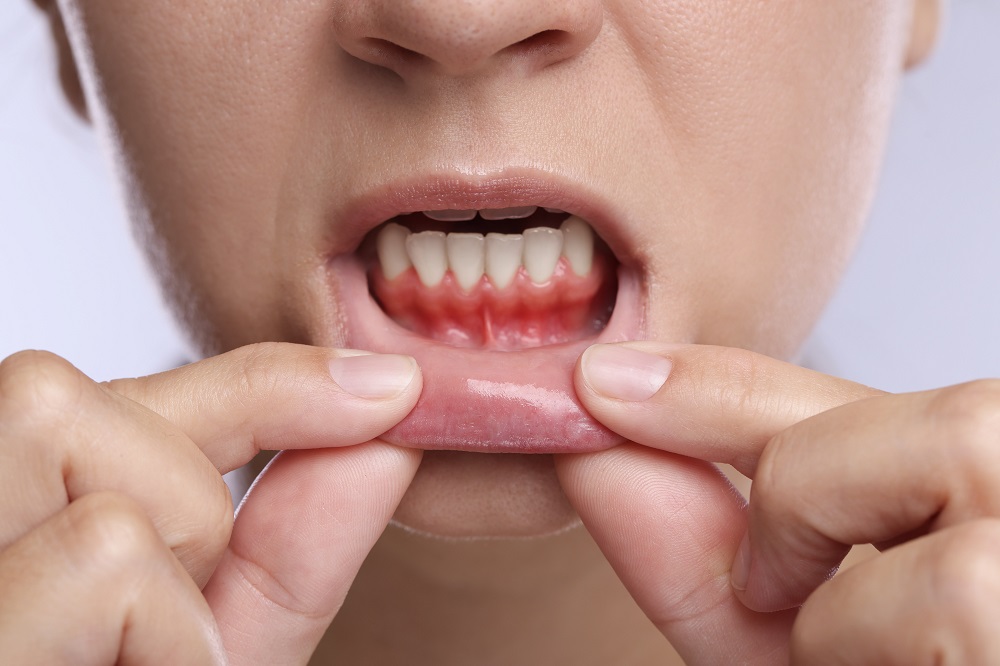

Gum disease rarely arrives with drama. More often, it starts quietly, with a little bleeding when you brush, a sour taste that does not seem to go away, or gums that look a touch puffier than usual. Many people in Ventura put off care at this stage because it does not feel urgent. Then months pass, sometimes years, and what began as mild gingivitis becomes a more serious periodontal problem involving bone loss, gum recession, loose teeth, and chronic inflammation.
That progression is exactly why understanding your treatment options matters. Periodontal disease is common, but it is not all treated the same way. The right plan depends on the stage of the disease, the shape of your gums and bone, your health history, your habits at home, and what you want to preserve long term. A patient with isolated deep pockets around two molars needs a very different approach from someone with generalized bone loss throughout the mouth.
If you have been told you need periodontal care, or you are searching for Periodontal Treatment Ventura because your gums are bleeding and you want straight answers before scheduling a visit, it helps to know what a periodontist or a general dentist focused on gum health is actually evaluating.
What periodontal disease really is
Periodontal disease is an infection and inflammatory response affecting the tissues that support your teeth. In simple terms, bacteria accumulate around and under the gumline. If that bacterial film and hardened deposits are not removed effectively, the gums become inflamed. Early on, that may mean redness, bleeding, and tenderness. At that stage, the damage is often reversible.
Once the infection advances deeper, the attachment between gum and tooth begins to break down. Pockets form. Bone can resorb. Roots may become exposed. Breath often worsens. Some patients notice sensitivity or longer-looking teeth. Others feel almost nothing until they are told, during an exam, that several teeth have lost significant support.
This is one reason gum disease catches people off guard. It can be active without causing much pain. In practice, I have seen patients who came in worried about one loose front tooth and left learning that the real issue had been slowly developing across the entire mouth for years.
Why patients in Ventura often delay treatment
There are practical reasons people wait. Work schedules are full. Dental anxiety is real. Insurance can be confusing. Some patients assume bleeding gums are normal if they brush a little too hard. Others believe they can solve advanced disease simply by flossing more consistently for a few weeks.
Ventura also has a population that is active, outdoorsy, and often very health conscious, yet even health-conscious people miss the significance of gum symptoms. They may stay diligent with cleanings but not realize they need more than a routine prophylaxis. A standard cleaning is designed for a generally healthy mouth. It is not the same as treating established periodontal infection below the gumline.
That distinction matters. Once pockets deepen and calculus builds under the gums, home care alone cannot fully address the problem.
The first step is a periodontal evaluation
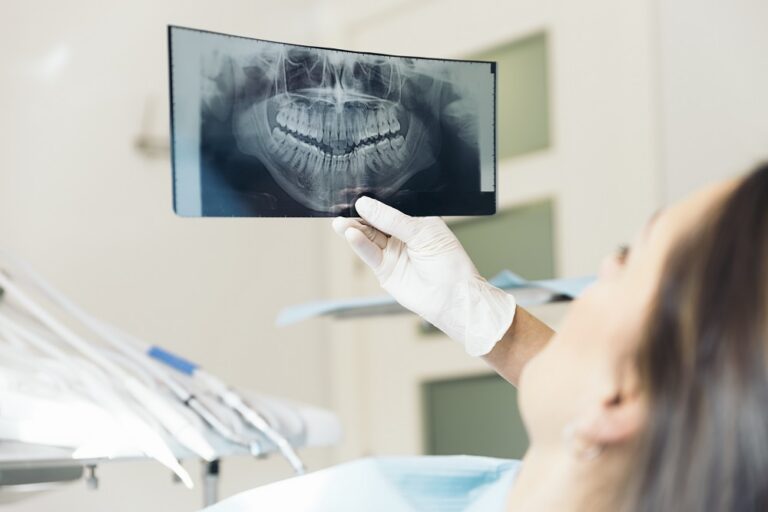
A proper evaluation is more detailed than a quick look and polish. Your provider will usually assess gum pocket depths around each tooth, bleeding points, recession, mobility, plaque and tartar levels, bite forces, and radiographic bone levels. Your medical history matters too. Diabetes, smoking, dry mouth, certain medications, immune conditions, clenching, and even chronic stress can complicate the picture.
If you are being evaluated for Periodontal Treatment Ventura, you should expect a conversation that goes beyond, “Your gums are inflamed.” A good clinician explains where the disease is active, how severe it appears, what can likely be stabilized, and where the long-term risks lie.
That conversation should also be honest about prognosis. Not every tooth can or should be saved at any cost. Sometimes heroic treatment on a tooth with severe mobility and minimal remaining bone support gives little return. In other cases, a tooth that looks questionable at first glance can function well for many years with the right intervention and maintenance.
Non-surgical treatment, often the starting point
For many patients, the first phase of periodontal therapy is non-surgical. The most common treatment is scaling and root planing, often described as a deep cleaning. That term is familiar, but it can sound more casual than the treatment really is.
Scaling removes plaque, bacteria, and hardened calculus from above and below the gumline. Root planing smooths the root surfaces so the tissue has a cleaner environment in which to heal. Depending on the extent of disease, this may be done by quadrant, with local anesthetic, over more than one visit.
When it is done well, scaling and root planing can significantly reduce inflammation and pocket depth, especially in mild to moderate cases. It is not glamorous, and it is not a one-visit cure, but it remains one of the most effective foundations in periodontal care.
Patients are often surprised by what happens after treatment. The gums may shrink somewhat as inflammation resolves. That is usually a sign of healing, but it can make teeth look longer or reveal spaces that were previously hidden by swollen tissue. Some temporary cold sensitivity is common. These changes can feel unsettling unless they were explained in advance.
What non-surgical care can realistically achieve
Non-surgical therapy is excellent at reducing bacterial load and giving the gums a chance to reattach as much as they can. It may be enough to stabilize disease in many sites. It can also reveal which areas respond well and which do not.
That said, there are limits. Very deep pockets, furcation involvement between roots of molars, vertical bone defects, and tissue architecture that traps bacteria may not resolve fully with deep cleaning alone. In those situations, surgery may be recommended not because the first treatment failed, but because the anatomy needs better access or regeneration.
Local antibiotics and antimicrobial therapy
Some Ventura practices use localized antimicrobials as an adjunct to scaling and root planing. These may be placed directly into deeper pockets after cleaning. The idea is to reduce bacterial activity in areas that are difficult to manage mechanically.
This can be helpful in selected cases, especially where isolated deeper sites remain active. It is usually not a substitute for thorough debridement. Think of it as a support tool rather than the main event.
Systemic antibiotics are used more selectively. They are not routine for every periodontal case because overuse has downsides, and many patients respond very well without them. In aggressive or refractory disease, however, they may have a role when carefully chosen.
When surgical periodontal treatment makes sense
Hearing the word surgery tends to raise anxiety, but periodontal surgery covers a range of procedures, and not all are extensive. The purpose is usually one of three things: gain access to clean deep areas thoroughly, reshape tissue or bone to create a healthier environment, or regenerate lost support where conditions are favorable.
A pocket reduction procedure, sometimes called flap surgery, allows the clinician to gently move the gum tissue back, remove tenacious deposits, address irregularities in the bone if needed, and then position the tissue for easier maintenance. For the right patient, this can reduce pocket depths dramatically and make the area much easier to keep clean.
Regenerative procedures are more specific. When bone loss has a favorable defect shape, materials such as bone grafts, membranes, or biologic agents may be used to encourage repair. Results vary because the defect geometry, smoking status, hygiene, and general health all affect healing. These procedures can be very worthwhile, but expectations need to be realistic. Regeneration is not magic. It is a carefully selected effort to improve support where biology gives you a reasonable chance.
Resective surgery, on the other hand, focuses less on rebuilding and more on creating a stable, maintainable architecture. In molars with complex bone loss patterns, this may be the more predictable route.
Gum grafting for recession
Not all periodontal treatment is about infection control alone. Gum recession is another common concern. Some people seek care because their teeth look longer or feel sensitive near the roots. Others are worried about continued tissue loss, especially on lower front teeth or canines.
Gum grafting can protect exposed roots, reduce sensitivity, and improve the tissue thickness around vulnerable teeth. This becomes especially useful when recession is progressing or when thin tissue is at risk of further breakdown from brushing habits, bite stress, or orthodontic movement.
Patients sometimes assume grafting is cosmetic. It can improve appearance, certainly, but in many cases the stronger value is protective. A thicker band of tissue around the tooth is often more resilient over time.
The best grafting candidates are not identical to the best pocket-reduction candidates. If inflammation is not controlled first, grafting may not be appropriate. This is another reason a sequenced treatment plan matters. The tissue has to be prepared for success.
Tooth extraction and replacement, when saving the tooth is no longer the best option
A hard truth in periodontics is that some teeth reach a point where preservation becomes impractical. Severe bone loss, vertical root fracture, advanced mobility, recurrent infection, or compromised root anatomy can make treatment expensive and uncertain.
Many patients feel disappointed when extraction enters the conversation, but removal is not automatically a failure. Sometimes it is the most responsible decision, especially if keeping one tooth threatens neighboring teeth or delays needed reconstruction.
If a tooth must be removed, replacement options may include an implant, a bridge, or a removable prosthesis. Periodontal health still matters here. An implant placed into a mouth with uncontrolled gum disease is at higher risk of complications. The bacterial environment and maintenance habits that damaged natural teeth can also affect https://maps.app.goo.gl/ChfJKu9PFXzaNGje8 implants.
This is where careful planning pays off. Good providers do not simply replace missing teeth. They first ask whether the mouth is stable enough to support the restoration long term.
What healing feels like and what recovery really involves
One of the most useful things patients can know is that periodontal treatment is rarely a single event. It is a phase of care followed by reassessment and maintenance.
After deep cleaning, tenderness generally settles within days, though temperature sensitivity can linger longer. Surgical procedures may involve swelling, soreness, modified brushing, rinses, and a soft diet for a period of time. Most patients are pleasantly surprised that recovery is manageable, particularly when the area is treated with local anesthetic and post-op instructions are clear.
Discomfort varies. A limited graft on one tooth feels very different from full-mouth periodontal surgery over several appointments. The extent of inflammation before treatment also matters. Tissues that were heavily infected tend to need more recovery time.
A patient once described the process well after a series of quadrant treatments. She said, “It was less painful than the dread I had before it.” That is a common theme. Anticipation is often worse than the actual treatment.
Maintenance is where long-term success is won or lost
This is the part patients tend to underestimate. Periodontal disease can usually be controlled very well, but control is not the same as permanent immunity. Once the supporting tissues have been compromised, they remain more vulnerable.
That is why periodontal maintenance visits are scheduled more often than standard cleanings, commonly every three to four months, though intervals vary. These appointments are not merely “extra cleanings.” They are targeted evaluations and debridement sessions designed to catch recurrence early and disrupt bacterial buildup before it causes deeper damage again.
At home, the tools matter, but technique and consistency matter more. For most patients, the basics include:
- Brushing thoroughly twice a day with a soft brush or quality electric brush.
- Cleaning between teeth daily with floss, interdental brushes, or water irrigation when appropriate.
- Using any prescribed rinse or special hygiene aid exactly as directed.
- Keeping periodontal maintenance appointments instead of waiting for symptoms.
- Addressing risk factors such as smoking, uncontrolled blood sugar, or nighttime grinding.
That list looks simple on paper. In real life, small lapses add up. A patient who invests in excellent periodontal treatment and then disappears for 18 months often returns with problems that could have been prevented by routine maintenance.
How to weigh treatment options intelligently
Not every recommendation should be accepted blindly, and not every online opinion deserves equal weight. Periodontal treatment decisions are about balancing disease severity, cost, invasiveness, prognosis, and your own priorities.
If you are comparing options for Periodontal Treatment Ventura, ask practical questions. How many teeth are affected? Is the disease localized or generalized? What are the pocket depths? Is there active bone loss? What outcome is realistic with non-surgical care alone? If surgery is recommended, what specifically is the goal, access, regeneration, recession coverage, or maintenance improvement?
A thoughtful clinician should be able to explain trade-offs clearly. For example, non-surgical therapy is less invasive and often the correct starting point, but it may not eliminate every deep pocket. Surgery may offer better access and potentially more durable control in selected areas, but it involves higher cost, more recovery, and not every site is a candidate for regenerative success. Extraction may resolve infection predictably when a tooth is truly hopeless, but replacement carries its own time, expense, and maintenance demands.
A second opinion can be worthwhile if the plan is extensive or if the explanation felt vague. What matters is not shopping for the cheapest answer, but making sure the diagnosis and sequencing make sense.
Signs that should prompt an evaluation sooner rather than later
Some patients wait because they think they can monitor the problem themselves. That is risky with periodontal disease because visible symptoms often lag behind tissue destruction. It is worth scheduling an exam if you notice any of the following:
- Gums that bleed regularly during brushing or flossing
- Persistent bad breath or a bad taste that returns quickly
- Teeth that appear longer, feel loose, or have new spacing
- Swollen, tender, or receding gums
- A history of gum treatment followed by a long gap in maintenance care
None of these signs proves severe disease by itself, but together they are enough to justify a proper evaluation.
Cost, insurance, and the value question
Patients often ask whether periodontal care is “worth it,” especially when insurance coverage is partial. The better question is what the cost of delay might be. Mild to moderate disease treated early is generally simpler and less expensive than advanced disease requiring surgery, extractions, grafting, and replacement.
Insurance plans vary widely. Some cover scaling and root planing at a better rate than surgery, while others have waiting periods, annual maximums, or frequency limitations for maintenance visits. A good front office should help estimate benefits, but it is wise to understand that the estimate is not a guarantee.
The value of treatment is not only about saving a tooth today. It is about preserving function, reducing infection and inflammation, protecting bone, maintaining chewing comfort, and lowering the chance of more complex treatment later. Those gains are difficult to capture on a benefits sheet, but they matter enormously over time.
Choosing the right provider in Ventura
Periodontal care is technical, but communication matters just as much as skill. You want a provider who measures carefully, explains findings in plain language, and does not rush through recommendations. That applies whether you are seeing a periodontist or a general dentist with strong periodontal experience.
Look for signs of thoroughness. Were pocket depths charted? Were X-rays reviewed with you? Did the provider discuss risk factors such as smoking, diabetes, or clenching? Did they describe what success would look like six months from now, not just what procedure can be scheduled next week?
Good periodontal treatment is not sales-driven. It is diagnosis-driven. When that standard is met, patients usually feel the difference quickly. They are not being pushed toward a procedure. They are being guided through a treatment sequence that fits the condition of their mouth.
The bigger picture
Gum health sits at the center of oral health more than many people realize. Teeth can be beautifully restored, straightened, whitened, and crowned, but if the foundation is unstable, none of that work performs as well as it should. Periodontal treatment is not glamorous dentistry. It is foundational dentistry.
For Ventura patients, that often means stepping away from the idea that bleeding gums are minor and seeing them instead as an early signal worth respecting. It means understanding that “deep cleaning” is often serious therapeutic care, not a cosmetic upgrade. It means accepting that maintenance is part of ownership, much like servicing a car or caring for a chronic orthopedic issue.
Most importantly, it means recognizing that you usually have more than one option. The right plan may be conservative, surgical, regenerative, or restorative. Sometimes it is a combination over time. With a clear diagnosis and a provider who explains the trade-offs honestly, you can make a sound decision and protect your oral health for years to come.
Avra Dental
Address: 1708 S Victoria Ave B, Ventura, CA 93003
Phone number: (805) 941-1001
FAQ About Periodontal Treatment Ventura
Can a dentist get rid of periodontal disease?
A dentist or gum specialist (periodontist) cannot fully cure or reverse advanced periodontal disease (periodontitis), but they can successfully stop its progression and manage the infection.
Is periodontitis very serious?
Yes, periodontitis is a very serious, advanced form of gum disease that destroys the bone and tissues supporting your teeth.
How is stage 2 periodontal disease treated?
Stage 2 periodontal disease (early to moderate periodontitis) is primarily treated with non-surgical deep cleaning procedures like scaling and root planing to remove bacteria and tartar below the gumline.