Entry · Ref SPO3545N
Is Periodontal Treatment Painful? What Patients Can Expect
- Posted
- 2026-10-30
- Last amended
- 2026-10-30
- Account
- @spencervvrq029
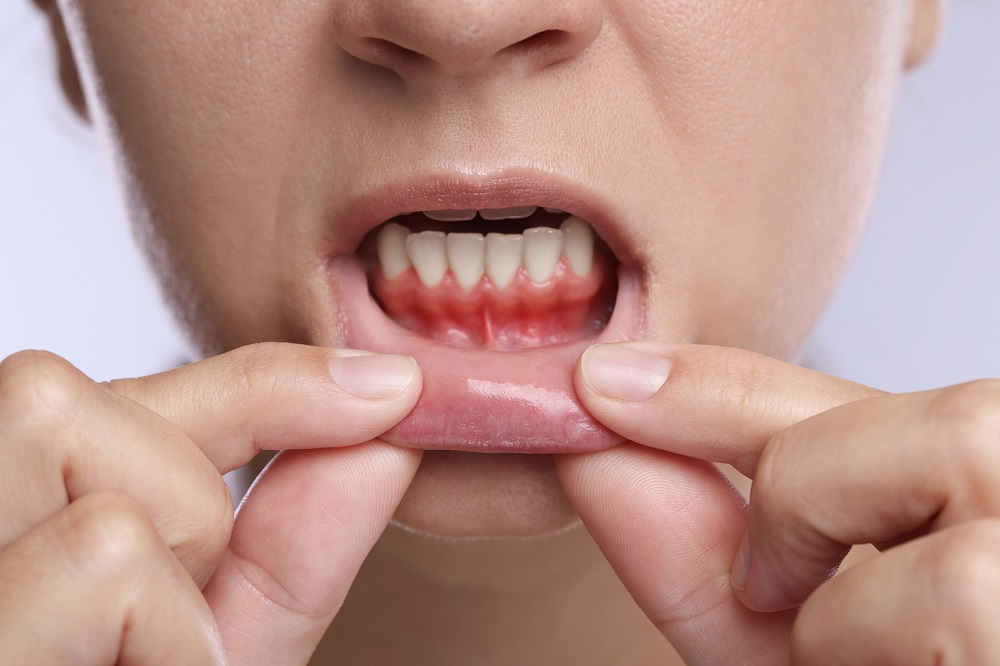
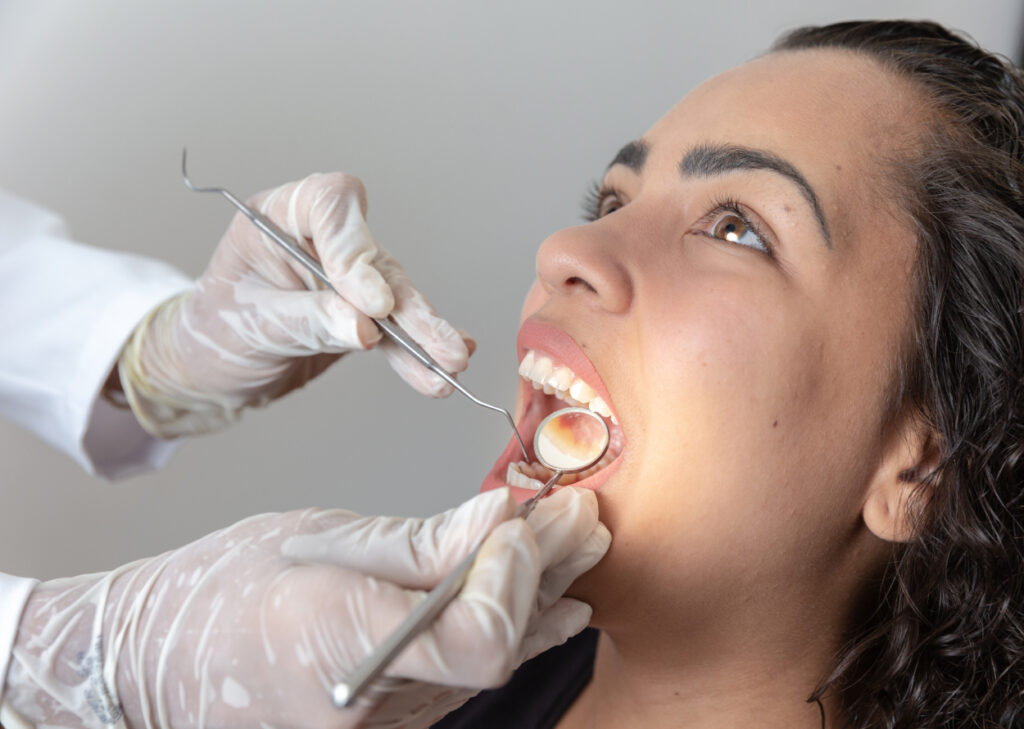
Few questions come up more often in https://www.google.com/maps?cid=6886544599407677320 a periodontal office than this one: is periodontal treatment painful? It is a fair question, and usually it comes from a very human place. People hear words like "deep cleaning," "gum surgery," or "infection under the gums," and their mind fills in the blanks with worst-case imagery.
The short answer is that modern periodontal treatment is usually far more manageable than patients expect. Most people feel pressure, vibration, and soreness rather than sharp pain during treatment. Afterward, the level of discomfort depends on the exact procedure, the severity of gum disease, and how sensitive the person is to begin with. That said, "manageable" does not mean "nothing at all." Some treatments leave gums tender for a few days. Some procedures are easier than having a routine filling, while others, especially surgical ones, require several days of recovery and careful eating.
What matters most is understanding what kind of treatment you are having, what sensations are normal, and what you can do to keep discomfort low. When patients know what to expect, fear tends to drop quickly.
Why the idea of pain feels bigger than the reality
Gum disease has a strange reputation. People often underestimate the condition itself and overestimate the treatment. In practice, the opposite is often closer to the truth. Active periodontal disease can be more damaging, and sometimes more uncomfortable in the long run, than the care used to stop it.
Inflamed gums bleed easily, feel tender, and can make chewing unpleasant. Deep pockets around the teeth trap bacteria and debris. Some patients notice a bad taste, chronic soreness, or pain when brushing. Others feel almost nothing, which is one reason periodontal disease can advance quietly. Then, when treatment is recommended, they assume a major intervention is about to happen because the diagnosis sounds serious.
A common turning point comes after the first visit. Patients often say some version of, "That was not nearly as bad as I thought." That reaction is especially common after scaling and root planing, the non-surgical treatment many people call a deep cleaning. The sounds, pressure, and numb feeling are usually more memorable than actual pain.
The type of periodontal treatment makes a real difference
Not all periodontal treatment feels the same. The phrase covers a wide range of procedures, from non-surgical cleanings below the gumline to more advanced surgery that reshapes tissue or bone.
If your dentist or periodontist recommends scaling and root planing, the goal is to remove plaque, tartar, and bacteria from the root surfaces beneath the gums. Local anesthetic is often used, especially when pockets are deep or the gums are inflamed. During the appointment, the patient usually feels pressure and scraping, but not sharp pain once the area is numb. After the numbness fades, the gums may feel sore for a day or two, and the teeth may be more sensitive to cold.
If antibiotics are placed under the gums or prescribed afterward, that typically does not add much pain by itself. It is more about controlling bacteria and improving healing.
Surgical periodontal treatment is a different category. Flap surgery, gum grafting, pocket reduction procedures, crown lengthening, and regenerative procedures usually involve local anesthetic and, in some offices, sedation options. During the procedure, the area should be numb. Recovery afterward is more noticeable than with non-surgical treatment. Patients can expect tenderness, swelling, and changes in how the gums feel when they eat or brush. The degree of soreness varies, but most describe it as controlled discomfort rather than severe pain.
Dental implants in areas affected by gum disease sit in a separate but related category. If periodontal infection must be treated before an implant is placed, the healing process often takes place in stages. That can feel mentally exhausting, but not necessarily physically painful if managed properly.
What treatment feels like during the appointment
People often use the word "pain" when they really mean one of several sensations. A more useful approach is to separate pain from pressure, vibration, stretching, temperature sensitivity, and post-procedure soreness.
During scaling and root planing, the local anesthetic is usually the most uncomfortable part, and even that is brief. The numbing gel helps. Once the anesthetic starts working, the treatment itself tends to feel like firm pressure and movement around the teeth. Ultrasonic instruments can create a cold-water sensation and a high-pitched sound. Hand instruments feel slower and more deliberate. If a patient has exposed roots, there may be moments of sensitivity, especially near untreated areas, but that can usually be corrected quickly by adding more anesthetic.
For surgical treatment, the numbness is deeper. Patients may feel pushing, vibration, or tugging, but the office should be checking throughout the procedure to make sure the area stays comfortable. Good communication matters here. Patients who speak up early usually have a smoother experience than those who try to push through discomfort.
Sedation can help certain people significantly. It does not replace local anesthetic, but it reduces anxiety and changes how the visit is experienced. Patients with strong dental fear, a sensitive gag reflex, or a history of difficult appointments often benefit from discussing sedation in advance.
What hurts more, the disease or the treatment?
This is not always an easy comparison, because periodontal disease is often painless until it becomes advanced. But when symptoms do appear, they can wear a person down over time. Gums that bleed every morning, loose teeth, recurring abscesses, and sensitivity along exposed roots can affect daily life more than patients expect.
The treatment, by contrast, is usually limited in time. There is a procedure, a recovery window, and then ideally less inflammation, less bleeding, and less tenderness going forward. In that sense, periodontal treatment is often a short-term discomfort that prevents a much bigger problem later.
That trade-off becomes even clearer in severe cases. A patient with deep pockets and active bone loss may be reluctant to schedule treatment because they fear pain, only to end up needing extractions or more extensive surgery later. Early periodontal treatment is generally simpler and easier to recover from than delayed treatment.
Why one person says "it was easy" and another says "it was rough"
Pain is personal. Two people can have the same procedure and describe it very differently. Several factors shape that experience.
The first is inflammation. Severely inflamed gums can be more tender before treatment starts. They may also be harder to numb completely on the first attempt, especially if infection is active.
The second is the depth and extent of disease. Cleaning a few moderate pockets in one area is not the same as treating generalized periodontitis across the whole mouth. More treatment area usually means a longer appointment and a more noticeable recovery.
The third is baseline sensitivity. Some people simply have very sensitive teeth, thin gum tissue, or exposed roots. They are more likely to notice cold, air, or brushing discomfort afterward.
The fourth is anxiety. This is not "all in your head." Anxiety changes breathing, muscle tension, attention, and pain perception. Patients who arrive braced for suffering often experience sensations more intensely.
The fifth is technique and planning. Gentle tissue handling, enough anesthetic, clear instructions, and realistic scheduling all matter. In experienced hands, periodontal treatment tends to feel much more predictable.
The first few days after treatment
For non-surgical periodontal treatment, the most common aftereffects are mild gum soreness, light bleeding when brushing, and temporary sensitivity to cold foods or drinks. Many patients are surprised that the teeth feel cleaner but also slightly "different" around the gumline. That is often because swollen tissue has started to settle down, exposing root surfaces that were previously covered by inflamed gums.
After surgical treatment, there is usually more to manage. Swelling may peak around the second or third day. The gum tissue can feel tight, bruised, or tender. If sutures are placed, patients may feel them with the tongue and find that annoying long before it becomes painful. Eating requires a little planning. Yogurt, eggs, soups that are not too hot, fish, pasta, smoothies eaten carefully, and soft cooked vegetables are common choices.
Most discomfort after periodontal treatment responds well to the plan provided by the office. That may include ibuprofen, acetaminophen, prescription medication in some cases, and a chlorhexidine rinse or salt-water rinse if appropriate. Ice packs can help during the first day after surgery. Good sleep, hydration, and avoiding smoking matter more than many patients realize.
A practical detail that often reduces worry: tenderness when brushing does not automatically mean something is wrong. In fact, plaque left to build up during recovery can make the gums sorer. The trick is following the office's exact brushing instructions for the treated area rather than avoiding cleaning altogether.
Deep cleaning is the treatment most people ask about
Because scaling and root planing is so common, it deserves a direct answer. Is a deep cleaning painful? Usually not during the procedure, because the area is numbed. Afterward, it is common to have mild to moderate soreness rather than real pain. Some people go back to work immediately. Others prefer an easier evening, especially if several areas were treated in one visit.
A frequent concern is whether the gums "pull away" afterward. Patients sometimes notice that spaces between the teeth look slightly more open once inflammation decreases. This can be alarming if they were not warned about it, but it usually reflects healthier tissue settling down, not damage from the treatment. The diseased swelling masked the true shape of the gums before. Once the infection is reduced, the tissue often looks less puffy and more defined.
Sensitivity is another issue worth naming clearly. If tartar covered portions of the root surface, removing it may expose areas that react more to cold. That sensitivity often improves over days to weeks. Desensitizing toothpaste, fluoride treatments, and time help.
Surgical periodontal treatment sounds intimidating because it is surgery
Words like "graft," "flap," and "regeneration" can make patients assume the recovery will be severe. Sometimes the anticipation is worse than the actual experience. The procedure itself should not be painful while the anesthetic is working. The recovery is real, but most patients describe it more as soreness, tightness, and inconvenience than extreme pain.
Gum grafting is a good example. If tissue is taken from the palate, the roof of the mouth often ends up being the area people notice most afterward. It can feel like a scrape or pizza burn for several days. If donor tissue comes from another source, that may reduce discomfort at the harvest site. The grafted area itself usually feels delicate and should not be disturbed.
Pocket reduction surgery can leave the gums tender and swollen for several days, but many patients are surprised that it remains controllable with the recommended medication schedule. Regenerative procedures, where bone grafts or membranes are used, require patience because healing goals are more complex, but that does not automatically mean much more pain.
The key point is this: surgical periodontal treatment is not something patients should expect to "tough out" without support. It should come with a pain-control strategy, written instructions, and a clear number to call if something feels off.
When pain is normal, and when it deserves a phone call
Some discomfort is expected. Worsening pain is a different story. Patients do best when they know the difference between a routine recovery and a problem that needs attention.
Normal recovery often includes tenderness with chewing, light oozing the first day, sensitivity to temperature, swelling that peaks after a day or two, and fatigue from the stress of treatment. What raises concern is pain that intensifies instead of gradually easing, swelling that becomes dramatic, or signs of infection.
If you are unsure whether your symptoms are normal, contact the office. It is far better to ask early than wait and guess.
- Pain that gets distinctly worse after the third day
- Swelling that is increasing rather than settling
- Fever, foul-tasting drainage, or a strong persistent odor
- Bleeding that does not slow with the instructions you were given
- A medication reaction such as rash, hives, or trouble breathing
Those problems are not the norm, but they matter.
What helps patients get through treatment comfortably
Comfort during periodontal treatment rarely depends on a single trick. It comes from planning, communication, and following instructions closely. Patients who have the easiest recoveries tend to do a few simple things well.
They do not wait until they are in the chair to mention their anxiety. They tell the office in advance if they have had trouble getting numb before, if they are very sensitive to cold, or if they panic when they feel water pooling in the mouth. These details change how the appointment is managed.
They also take post-treatment instructions seriously. This sounds obvious, but there is a big difference between "I glanced at the sheet" and actually following the schedule for medication, rinsing, and food choices. Delayed pain often shows up when numbness wears off and the first anti-inflammatory dose was skipped.
Another practical point is scheduling. A long surgical appointment the morning of a major work presentation is usually a poor fit. If possible, people should leave themselves recovery room, especially for more advanced periodontal treatment. Stress and rushing amplify discomfort.
The emotional side of pain is often overlooked
Many patients are embarrassed about gum disease. They delay treatment because they feel judged, or they worry the condition means they failed somehow. That emotional load can make the first appointment feel heavier than it needs to.
Periodontal disease is common. It is influenced by oral hygiene, yes, but also by smoking, diabetes, genetics, certain medications, dry mouth, stress, and plain old time. A person can be diligent and still develop periodontal problems. Shame has no clinical value here. Honest conversation does.
That honesty matters because fear changes pain. A patient who expects punishment is less likely to ask for a break, more likely to tense their jaw and shoulders, and more likely to remember the whole visit as painful even when the physical sensations were limited. Skilled clinicians know this and pace treatment accordingly.
Children are rarely the issue here, adults are
Unlike cavities, periodontal treatment is usually an adult conversation. By the time it is recommended, the patient may have years of built-up worry. Some have not seen a dentist regularly in a long time. Others had one rough experience decades ago and have carried that memory ever since.
That history matters. A patient who once felt pain during dental work may need more reassurance, more pauses, or a different anesthetic approach. None of that is unusual. In fact, when clinicians adapt the plan instead of using a one-size-fits-all approach, the whole experience changes.
What most patients say afterward
When you strip away the fear before treatment and listen to people after recovery, a pattern appears. They often say the injections were brief, the pressure was strange but tolerable, and the soreness afterward was less than they imagined. They also say they wish they had not waited so long.
That last part is worth paying attention to. Delay rarely makes periodontal treatment easier. Disease tends to progress. Gums stay inflamed. Bone loss can continue quietly. Teeth can become looser. What might have been a non-surgical deep cleaning can become a more involved periodontal case later.
So, is periodontal treatment painful? It can be uncomfortable, and some procedures bring a few days of real soreness. But with modern anesthetics, thoughtful technique, and proper aftercare, it is usually very manageable. For many patients, the bigger challenge is not the treatment itself. It is the fear of the unknown before it starts.
The best expectation is a realistic one. You may feel pressure during treatment. Your gums may be tender afterward. Soft foods might be your friend for a couple of days. If surgery is involved, give yourself time to recover. But severe, uncontrolled pain is not what most patients experience, and it should not be accepted as normal.
The most useful next step is a straightforward conversation with the dentist or periodontist who examined you. Ask exactly which type of periodontal treatment is being recommended, how numbness will be handled, what recovery usually feels like in cases like yours, and what pain-control options are available. Specific answers beat general fear every time.
Avra Dental
Address: 1708 S Victoria Ave B, Ventura, CA 93003
Phone number: (805) 941-1001
FAQ About Periodontal Treatment
Can a dentist get rid of periodontal disease?
A dentist or gum specialist (periodontist) cannot fully cure or reverse advanced periodontal disease (periodontitis), but they can successfully stop its progression and manage the infection.
Is periodontitis very serious?
Yes, periodontitis is a very serious, advanced form of gum disease that destroys the bone and tissues supporting your teeth.
How is stage 2 periodontal disease treated?
Stage 2 periodontal disease (early to moderate periodontitis) is primarily treated with non-surgical deep cleaning procedures like scaling and root planing to remove bacteria and tartar below the gumline.